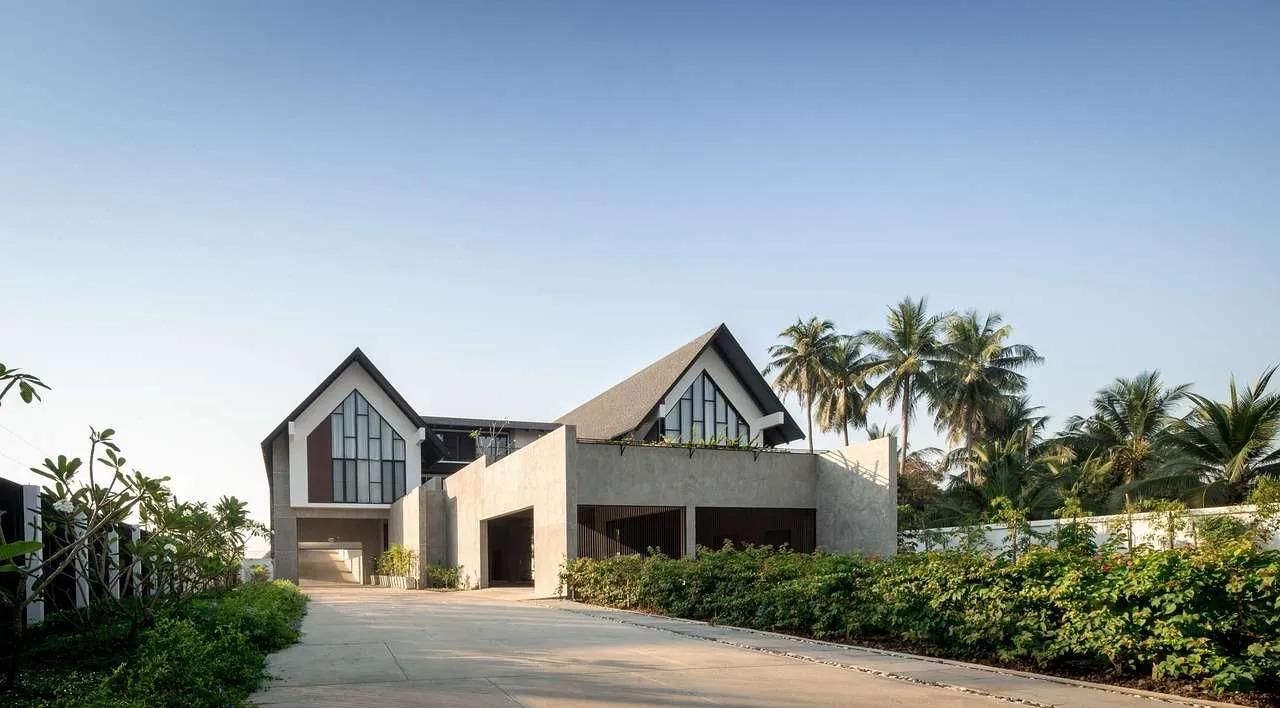
Understanding Roofing and Roof Repairs
Roofing is the system of materials that protects a home from weather, including the roof deck, underlayment, shingles or tiles, flashing, and ventilation. Roof repairs are targeted fixes to address leaks, damaged shingles, or compromised structural components, aimed at restoring protection and energy efficiency. For homeowners, understanding the difference between routine roofing and necessary repairs helps prioritize maintenance and budgeting while preserving home value.
Expertise matters in this field because a strong roof is foundational to safety and comfort. Regular inspections by qualified professionals can identify hidden issues such as deteriorating underlayment, ventilation problems, or hidden water damage that may not be obvious from the ground.
Common Roofing Problems
- Leaking after heavy rain or storms due to damaged shingles or flashing
- Missing or curling shingles that expose the underlayment to moisture
- Damaged flashing around chimneys, skylights, or vents
- Ice damming in colder climates that creates water backup under shingles
- Attic condensation or poor ventilation leading to mold growth
Each problem has different implications for safety, insulation, and long-term costs. A small leak can cause structural rot if left unrepaired, while a major shingle failure may require more extensive work than a quick fix.
Inspecting Your Roof: DIY vs Professional
DIY inspections are useful for early warning signs you can safely observe from ground level or a sturdy ladder. Look for curling shingles, missing granules, rusted flashing, and daylight showing through the roof deck in the attic. Do not climb onto a damaged roof or work on steep slopes without proper safety equipment. For any significant issue, hire a licensed contractor who can perform a thorough inspection, identify the root cause, and provide a written estimate.
A professional inspection typically includes a deck assessment, flashing and vent checks, attic ventilation review, and insulation evaluation. Documenting findings with photos helps with insurance claims or warranty conversations and supports informed decision making.
Repair Options and When to Consider Replacement
Minor Repairs
Small fixes such as replacing a few damaged shingles, resealing flashing joints, or fixing a localized leak are often cost-effective and can extend the life of your roof without major disruption.
Major Repairs
When multiple areas are compromised or the underlayment shows signs of wear, more extensive repairs may be warranted. A professional can assess whether the roof can be restored with targeted patching or if broader section replacement is needed.
Replacement
Roof replacement is advisable when the roof is near or beyond its expected lifespan, shows widespread damage, or has structural concerns. Modern roofing materials offer improved durability, energy efficiency, and warranties. A replacement may be the most cost-effective option in the long term when frequent repairs are required or the roof has reached its performance limit.
Costs, Budgeting, and Insurance
Costs for roofing work vary by material, roof size, and labor rates in your area. Minor repairs may range from a few hundred dollars to a couple of thousand, while major repairs and replacements can run higher. It's important to obtain multiple detailed written estimates and to ask about permitting requirements and warranty coverage. In many cases, homeowners insurance can help offset damage-related roof work, especially after storm events, but coverage specifics depend on policy terms and deductible levels.
Developing a budget that includes routine maintenance, seasonal inspections, and a contingency for unexpected repairs helps prevent financial stress. When evaluating bids, consider not just price but the contractor's materials, workmanship warranty, and projected lifespan of the proposed solution.
Choosing a Roofing Contractor
EEAT matters in choosing the right professional. Look for a licensed and insured contractor with a solid local reputation and verifiable references. Request a written estimate that itemizes materials, labor, and any disposal fees. Check that the contractor obtains necessary permits, provides a warranty on workmanship, and offers post-installation support. A transparent contractor will explain your options, pros and cons of each approach, and realistic timelines for completion.
Prepare questions in advance: What materials do you recommend and why? How will you handle ventilation and insulation? What is the expected lifespan of the proposed solution? Can you show recent project photos or client references? A thorough, communicative contractor supports a smoother project and better long-term results.
Maintenance Tips to Extend Roof Life
- Keep gutters and downspouts clean to prevent water backing up onto the roof
- Schedule biannual inspections, ideally in spring and fall
- Trim overhanging branches to reduce impact damage and debris accumulation
- Ensure attic ventilation and insulation reduce condensation and heat buildup
- Address small leaks promptly to prevent hidden structural damage
Comparison at a Glance
| Aspect | Repair | Replacement |
|---|---|---|
| Lifespan | Shingle-level fixes last a few years to a decade depending on condition | New roof typically 20 to 50 years depending on material |
| Cost | Lower upfront, may recur | Higher upfront but longer-term durability |
| Time and disruption | Shorter, minimal disruption | Longer project with more disruption |
| Best scenarios | Localized damage, sound deck, good underlayment | Widespread damage, aging roof, poor efficiency |
Regular maintenance, early problem detection, and choosing a qualified contractor are the pillars of a durable roof. Each option has a place in a thoughtful roof strategy aligned with your home, climate, and budget.
Conclusion, a proactive approach to roofing and roof repairs protects your home, preserves energy efficiency, and preserves property value. By understanding your options, obtaining clear estimates, and working with a trusted contractor, you can secure a reliable roof for years to come.